1. Maturing data and AI capabilities will unlock the "document-heavy" industries
For the last few years, the tech sector has absorbed much of the AI hype. But in 2026, a growing proportion of productivity gains will come from traditional, document-heavy industries like construction, logistics, utilities, and FMCG.
Historically, these sectors have struggled with digitisation because their data is trapped in unstructured formats: PDFs, invoices, contracts, and emails. In the past, building a data warehouse to make sense of this required an army of consultants and millions of dollars to manually map schema A to schema B.
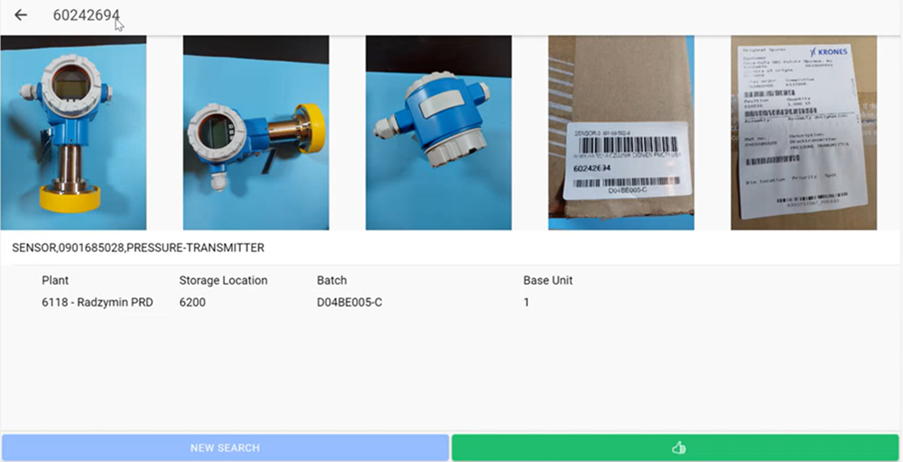
That barrier is gone. New AI-enabled data platforms, like Microsoft Fabric, have fundamentally changed the economics of data readiness. We are seeing AI models map complex data schemas in hours, not months. A utility company can now snap a photo of a 30-year-old broken part and have an AI instantly identify it against decades of unstructured specification documents. This isn’t just about "chatting" with data; it’s structuring the unstructured world so that traditional businesses can leapfrog into the digital age without the massive legacy IT debt.
With commercially available data solutions levelling the playing field, 2026 is the year when many smaller established businesses finally overcome complexity and cost to unlock the true value of their data.
How Crayon’s image recognition app helped Coca-Cola bottler identify 220,000 spare parts
In 2025, Crayon, now part of SoftwareOne, helped Coca Cola HBC improve production line efficiency by implementing machine learning and image recognition to rapidly identify damaged machine parts, check inventories and order replacements. Built with Azure ML, the solution is reducing maintenance downtime and costs at dozens of plants across Europe and Africa. Learn more in the full client story.